Sculpting Spaces: The Role of Concrete in Urban Landscape Design Apr 02, 2026
Let's explore how concrete is reimagining the urban landscape, making it a crucial element in city planning and design.
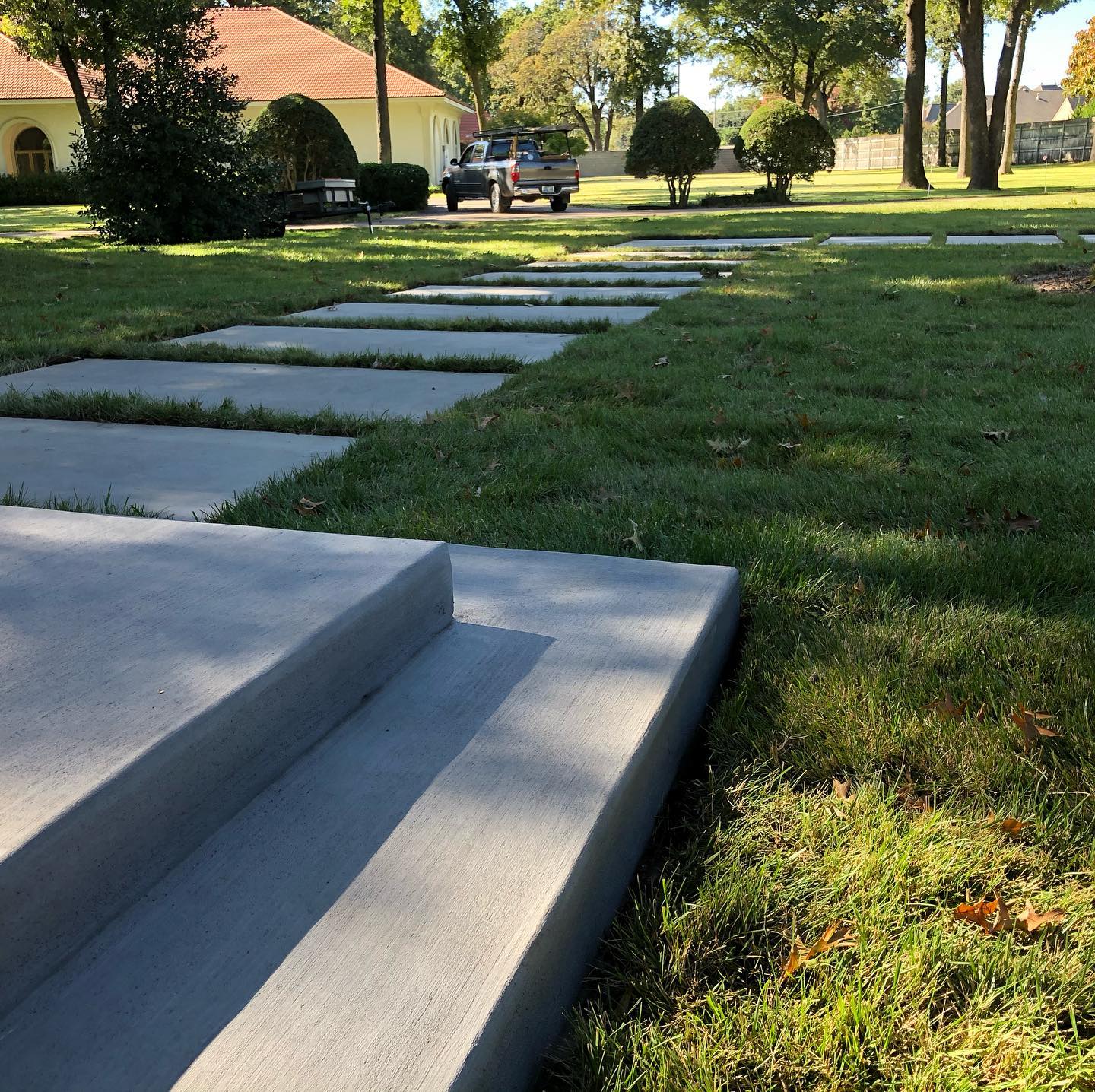
Concrete's unique capacity to sculpt and define spaces is what makes it particularly invaluable in urban design. Its adaptability, strength, and sustainability allow designers to shape it into a multitude of forms. Whether it's seamless pathways winding through a bustling park, robust foundations for towering skyscrapers, or elegant benches that cradle city dwellers, concrete leaves its indelible mark on every corner of an urban space.
Incorporating concrete into urban landscapes has transcended its traditional use. One of the greatest advantages is its versatility. Concrete's extensive range of finishing techniques—think polished, etched, stamped, or stained—provides designers with endless creative possibilities. This flexibility allows for the creation of unique artworks in stuffy cityscapes, manifesting cultural narratives and enhancing the visual appeal of public spaces.
Beyond aesthetics, concrete plays a critical role in sustainability, another cornerstone of urban planning. With growing environmental concerns, there is a concerted effort to employ eco-friendly materials. Concrete, when crafted from recycled content or combined with innovative additives, can significantly reduce its environmental footprint. By focusing on sustainable mixtures, Sol Co ensures that our concrete solutions are both durable and kind to the earth, contributing to green building initiatives across urban areas.
Moreover, as cities evolve, the need for resilient infrastructure becomes apparent. Concrete’s durability makes it ideal for building structures that can withstand both the wear and tear of urban use and the challenges posed by extreme weather. This robustness ensures that paths, walkways, and plazas retain their utility and charm over time, requiring less frequent repairs and replacements.
Another pivotal role that concrete plays in urban design is enhancing safety. Its intrinsic strength provides a secure foundation, while its design versatility allows for planning features like pedestrian barriers and traffic guidance systems. Thoughtfully designed concrete structures can help manage pedestrian and vehicular flow, ensuring the safety of residents and city users alike.
Concrete's role extends into fostering community interaction. By crafting engaging public spaces, concrete can help bring communities together, whether it's through communal gathering areas or inspiring installations. At Sol Co, we understand how crucial it is for urban landscapes to be more than just functional—they should also encourage interaction and connection within the community.
As we gaze into the future of urban design, concrete continues to be at the forefront of innovation. From smart cities integrating technology with their infrastructure to green rooftops reducing urban heat and pollution, concrete remains a key material driving this evolution. At Sol Co, we embrace the challenge of reshaping urban spaces, blending cutting-edge technology with reliable materials like concrete to create not just functional, but aesthetically pleasing and environmentally responsible urban landscapes.
In conclusion, the integration of concrete into urban landscape design transcends mere construction. It is the very fabric that weaves together functionality, sustainability, and community, preparing our cities for the future. At Sol Co, our expertise in concrete services allows us to not only anticipate but to lead this change, crafting spaces that resonate with harmony and innovation. Whether you are looking to develop a new urban plaza or retrofit an existing space, let Sol Co guide you in sculpting environments that are both enduring and inspiring.