Green Infrastructure: How Permeable Concrete is Shaping Sustainable Cities May 22, 2026
Permeable concrete, often referred to as pervious or porous concrete, is a specialized form of concrete with a high porosity that allows rainwater to pass through it, filtering pollutants and recharging groundwater. This innovative material plays a crucial role in the development of sustainable cities, offering a host of environmental and practical benefits that standard concrete cannot match.
In the realm of sustainable city development, stormwater management is a critical concern. Traditional concrete surfaces, such as sidewalks, driveways, and roads, typically do not allow water to seep through, leading to runoff. This runoff can overwhelm sewage systems, contribute to urban flooding, and carry pollutants into local waterways. Permeable concrete addresses these issues by significantly reducing runoff and its associated problems.
For urban planners and developers, adopting permeable concrete can lead to a multitude of benefits. One of the most significant advantages is its contribution to water resource management. By facilitating the natural process of groundwater recharge, permeable concrete helps maintain the delicate balance of local ecosystems. In addition, its implementation supports compliance with stringent stormwater management regulations, often resulting in reduced need for expensive drainage systems and retention ponds.
Another advantage of permeable concrete is its ability to mitigate the urban heat island effect. During hot weather, traditional concrete surfaces absorb and radiate heat, increasing ambient urban temperatures. Permeable concrete, on the other hand, allows water to infiltrate and evaporate, thereby cooling the surface and the air above it. This not only enhances pedestrian comfort but also reduces the energy required for cooling buildings.
Moreover, permeable concrete offers long-term economic benefits. Initially, it may be more costly than standard concrete; however, its ability to reduce the need for stormwater infrastructure and its contribution to environmental sustainability often lead to lower lifecycle costs. For cities and developers looking to save money in the long run while contributing to sustainable initiatives, it’s a compelling choice.
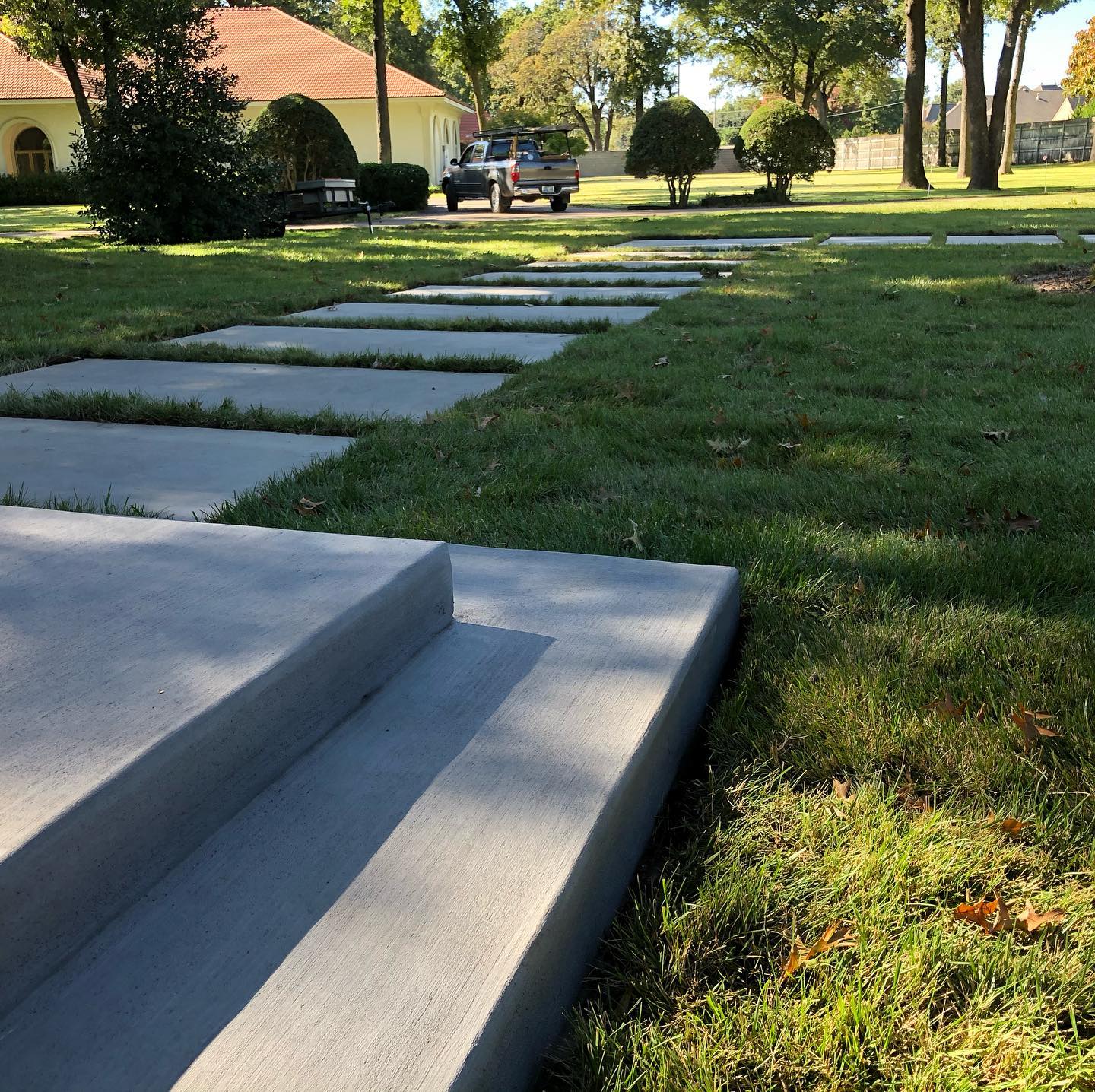
The applications of permeable concrete extend beyond traditional uses. From parking lots and walking paths to gardens and green roofs, its versatility is matched by its environmental benefits. As pressure mounts on cities to become more sustainable, innovative materials like permeable concrete present achievable pathways to meet these goals without sacrificing functionality or aesthetics.
Sol Co is committed to delivering high-quality, sustainable concrete solutions that align with future-focused infrastructure needs. Our permeable concrete solutions help pave the way for cities striving for a resilient and sustainable future. By choosing permeable concrete, developers and city planners can make an immediate and lasting impact on both their community and the environment.
In conclusion, as urban areas continue to grow and evolve, the integration of sustainable technologies like permeable concrete is not just beneficial but essential. The environmental and economic advantages of this versatile material offer a promising avenue for addressing the pressing challenges of urban development. Sol Co is proud to be a part of this transformative journey, providing the expertise and materials needed to build the cities of tomorrow.